In forex trading, the spread—the difference between the bid and ask price—acts as a hidden cost that directly impacts profitability. Just like a broker’s commission, the spread reduces your potential gain immediately after opening a trade. For traders seeking efficiency, monitoring spread fluctuations is crucial, especially during volatile sessions.
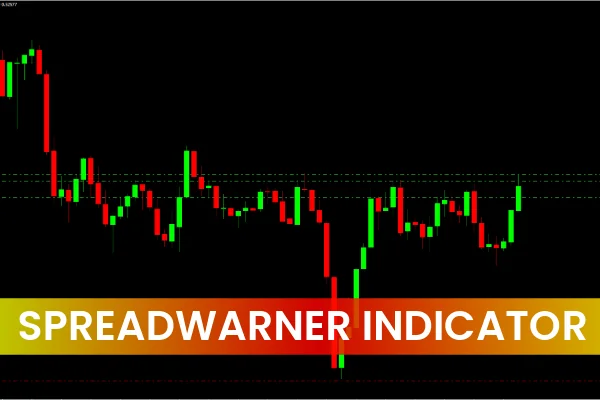
Unfortunately, the MetaTrader 5 (MT5) platform doesn’t include a built-in indicator to monitor spreads. To fill this gap, the SpreadWarner Indicator was created. This tool provides a real-time visualization of the current spread and its historical behavior, allowing traders to anticipate changes and manage their trading costs more effectively.
Key Features of the SpreadWarner Indicator
Real-Time Spread Display: Shows the exact spread value between the bid and ask prices at any given moment.
Dynamic Histogram Visualization: Displays how spreads have changed over time, highlighting periods of volatility or stability.
Instant Feedback on Market Conditions: Helps traders identify when spreads widen during key market events.
Multi-Asset Compatibility: Works seamlessly across all forex pairs, commodities, indices, and CFDs.
Lightweight Design: Efficient coding ensures smooth performance without lag, even on multiple charts.
The SpreadWarner Indicator for MT5 is especially beneficial for scalpers, day traders, and high-frequency traders, who rely on tight spreads and quick execution for consistent performance.
How the SpreadWarner Indicator Works
The indicator measures the difference between the Bid (buy) and Ask (sell) prices in real time. This value—the spread—is displayed both numerically and visually via a histogram bar in a separate window on your chart.
Example:
If you are trading GBP/USD and the SpreadWarner indicator shows a 1-pip spread, it means you must cover a 1-pip cost to enter the trade. This value is recorded as a mandatory expense on your account immediately upon opening a position.
When and Why the Spread Changes
The spread is not fixed—it fluctuates based on market liquidity and volatility. Understanding these changes helps you avoid costly entries during unstable periods.
Common situations where spreads widen include:
High-Volatility Events: Major news releases, such as interest rate announcements or employment data.
Low Liquidity Instruments: Trading exotic currency pairs like EUR/SEK, where spreads can reach hundreds of pips.
Key Market Levels: When price approaches strong support or resistance zones, liquidity may thin temporarily.
Conversely, narrow spreads typically occur during active trading sessions (e.g., London or New York sessions) and indicate a stable market environment.
Why Monitoring the Spread Matters
Evaluating spreads before entering a trade can significantly improve your risk-reward ratio and overall trading efficiency.
Here’s why it’s important:
Cost Control: Knowing the spread helps estimate how much profit is needed to break even.
Timing Trades: Avoiding entries during high spreads prevents unnecessary losses.
Strategy Optimization: Certain trading styles, such as Scalping, perform best when spreads are minimal.
Broker Comparison: Tracking spreads allows you to evaluate and choose the most cost-effective broker.
For example, trading an exotic pair like EUR/SEK can come with spreads up to 490 pips, while major pairs like EUR/USD typically maintain spreads below 1 pip during normal conditions.
How to Use the SpreadWarner Indicator Effectively
Install the indicator on your MT5 chart and observe the histogram behavior throughout different sessions.
Monitor spread spikes around major news events and avoid placing new trades during these times.
Compare spreads between brokers or account types (Standard vs ECN) to select the most efficient setup.
Incorporate spread data into your trading strategy by setting spread thresholds for trade entry conditions.
This disciplined approach helps you protect profits and avoid unnecessary trading costs.
Conclusion
The SpreadWarner Indicator for MT5 is an essential tool for every forex trader who values cost efficiency and informed decision-making. By providing real-time spread data and historical visualization, it empowers traders to identify optimal trading periods, minimize costs, and improve profitability.
Whether you trade major, minor, or exotic pairs, monitoring spread dynamics is key to sustainable success.
Download the SpreadWarner Indicator for MT5 from IndicatorForest.com today and start trading with full awareness of your market costs.
FAQ
The SpreadWarner Indicator provides real-time visualization of the current spread (difference between bid and ask prices) and its historical behavior. It displays the exact spread value and shows how spreads have changed over time via a dynamic histogram, helping traders anticipate changes and manage trading costs.
Evaluating spreads before entering trades can significantly improve risk-reward ratio and overall trading efficiency. Knowing the spread helps estimate break-even requirements, avoid entries during high spreads, optimize strategies (especially for scalping), and compare brokers to choose the most cost-effective option.
Spreads widen during high-volatility events like major news releases, when trading low liquidity instruments like exotic pairs, and when price approaches strong support or resistance zones where liquidity may thin temporarily. Narrow spreads typically occur during active trading sessions (London or New York) indicating stable market conditions.
Install the indicator and observe histogram behavior throughout different sessions. Monitor spread spikes around major news events and avoid placing new trades during these times. Compare spreads between brokers or account types, and incorporate spread data into your strategy by setting spread thresholds for trade entry conditions.
The indicator is especially beneficial for scalpers, day traders, and high-frequency traders who rely on tight spreads and quick execution for consistent performance. It helps protect profits and avoid unnecessary trading costs by identifying optimal trading periods and minimizing expenses.
2 Downloads
Published:
Nov 05, 2025 09:02 AM
Category: