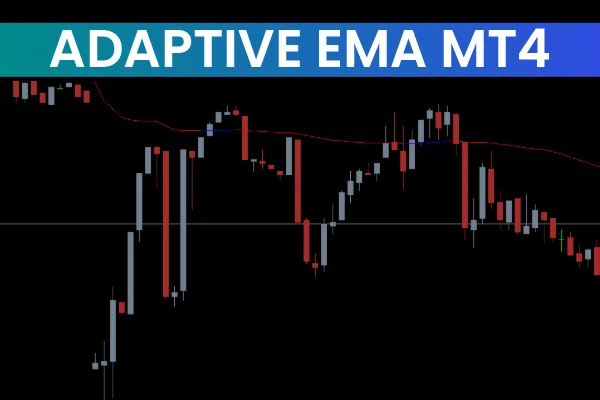
The Adaptive EMA Indicator MT4 is a modern trend-following tool designed to help forex traders respond more effectively to changing market conditions. Unlike traditional moving averages that rely on fixed parameters, this indicator dynamically adjusts the Exponential Moving Average (EMA) based on real-time market volatility. As a result, traders can spot trend changes earlier and reduce false signals during ranging markets.
The Adaptive EMA Indicator MT4 is especially useful for traders who struggle with lagging indicators. By automatically adapting to price fluctuations, it provides smoother signals during stable trends and faster reactions during volatile market phases. This makes it suitable for Scalping, intraday trading, and swing trading across multiple financial instruments.
How the Adaptive EMA Indicator MT4 Works
The indicator modifies the EMA calculation by factoring in market volatility. When volatility increases, the EMA becomes more responsive to price changes. When volatility decreases, the EMA smooths out, filtering market noise.
This adaptive behavior allows traders to:
Identify emerging trends earlier
Avoid whipsaws during consolidation
Follow strong trends with better precision
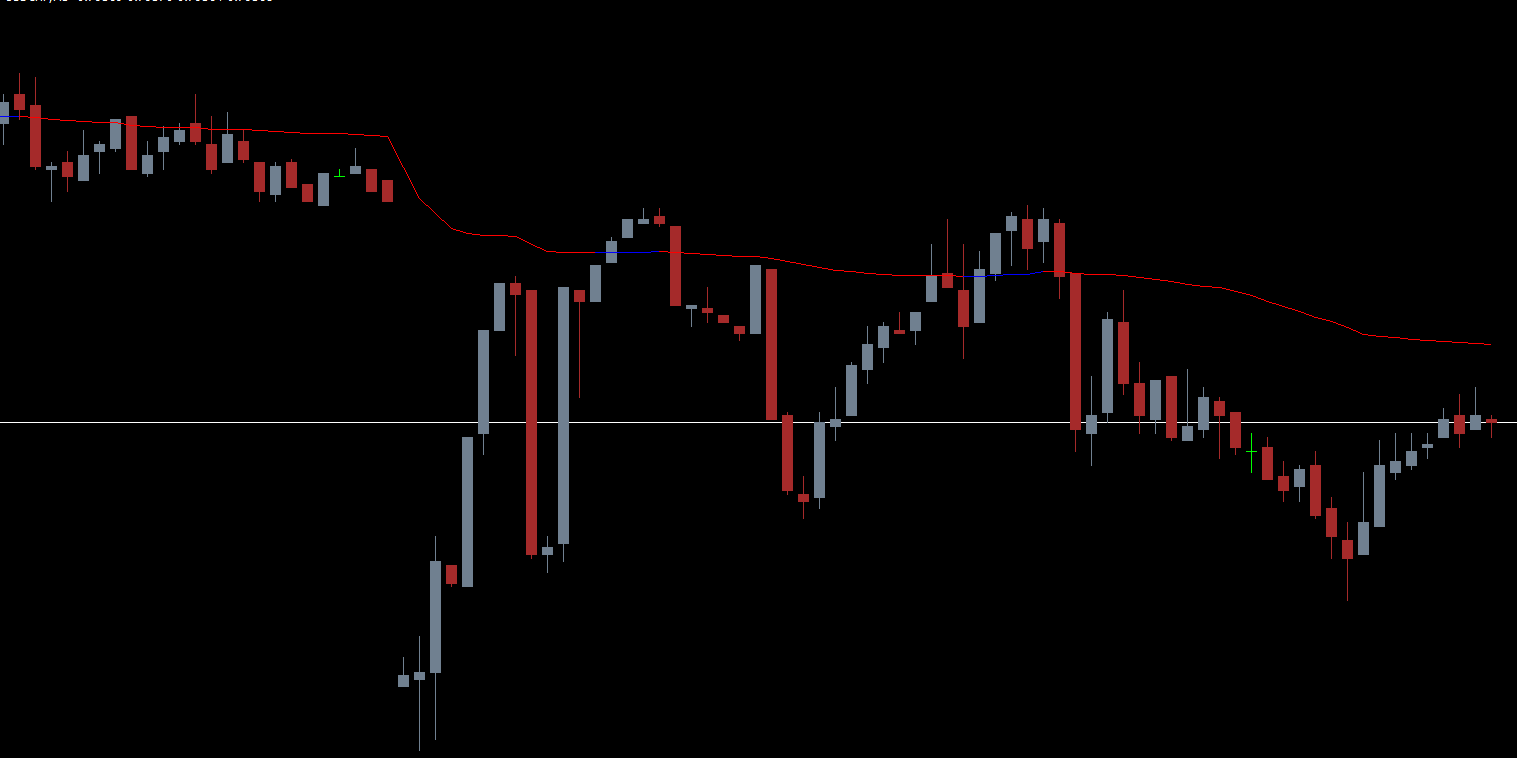
The indicator plots a single adaptive EMA line directly on the price chart, keeping the layout clean and easy to interpret.
Key Features of Adaptive EMA Indicator MT4
Some of the standout features include:
Dynamic EMA calculation based on volatility
Reduced lag compared to standard EMA
Customizable parameters
Works on all MT4 timeframes
Suitable for forex, indices, commodities, and metals
Beginner-friendly and lightweight
Because of its simplicity, traders can easily integrate it into existing trading strategies without cluttering their charts.
How to Trade Using Adaptive EMA Indicator MT4
Buy Signal Setup
A bullish signal occurs when:
Price closes above the Adaptive EMA line
The EMA line starts sloping upward
Market Structure supports higher highs and higher lows
Traders can enter a buy position after a confirmed candle close above the EMA. Using additional confirmation such as RSI or Price Action patterns improves accuracy.
Sell Signal Setup
A bearish signal forms when:
Price closes below the Adaptive EMA line
The EMA line turns downward
Lower highs and lower lows are visible
A sell trade can be initiated after confirmation, with stop loss placed above the recent swing high.
Stop Loss and Take Profit Strategy
Stop Loss: Place beyond the most recent swing level
Take Profit: Trail profits along the Adaptive EMA line or exit at key support/resistance zones
This trailing approach allows traders to maximize gains during strong trends.
Best Trading Conditions for Adaptive EMA Indicator
The indicator performs best during:
Trending markets
Volatile trading sessions
Breakouts from consolidation zones
While it reduces lag significantly, it is still recommended to avoid trading in extremely choppy conditions without confirmation.
Combining Adaptive EMA with Other Indicators
To improve performance, traders can combine the Adaptive EMA Indicator MT4 with:
RSI for momentum confirmation
MACD for Trend Strength
Volume indicators
This multi-layer confirmation approach increases trade reliability.
Who Should Use This Indicator
Beginners looking for a clean trend indicator
Intraday traders seeking responsive signals
Swing traders wanting reduced lag
Algorithmic traders testing adaptive trend logic
Conclusion
The Adaptive EMA Indicator MT4 is a smart upgrade to traditional moving averages. By adjusting automatically to market volatility, it helps traders identify trend direction and potential reversals with greater accuracy. Its simplicity, flexibility, and effectiveness make it a valuable addition to any MT4 trading setup.
Visit IndicatorForest.com to download the Adaptive EMA Indicator MT4 for free and explore more professional forex trading tools.
FAQ
Unlike traditional moving averages that rely on fixed parameters, the Adaptive EMA Indicator dynamically adjusts the Exponential Moving Average (EMA) based on real-time market volatility. When volatility increases, the EMA becomes more responsive to price changes; when volatility decreases, the EMA smooths out, filtering market noise. This adaptive behavior reduces lag compared to standard EMA.
The adaptive behavior allows traders to identify emerging trends earlier, avoid whipsaws during consolidation, and follow strong trends with better precision. By automatically adapting to price fluctuations, it provides smoother signals during stable trends and faster reactions during volatile market phases, making it suitable for scalping, intraday trading, and swing trading.
A bullish signal occurs when price closes above the Adaptive EMA line and the EMA line starts sloping upward with market structure supporting higher highs and higher lows. A bearish signal forms when price closes below the Adaptive EMA line with the EMA turning downward. Enter trades after confirmed candle close with additional confirmation such as RSI or price action patterns.
Place stop loss beyond the most recent swing level. For take profit, trail profits along the Adaptive EMA line or exit at key support/resistance zones. This trailing approach allows traders to maximize gains during strong trends while protecting against reversals.
The indicator performs best during trending markets, volatile trading sessions, and breakouts from consolidation zones. While it reduces lag significantly, it is still recommended to avoid trading in extremely choppy conditions without confirmation. Combine with RSI for momentum confirmation, MACD for trend strength, and support/resistance levels for better performance.
1 Download
Published:
Dec 15, 2025 22:54 PM
Category: