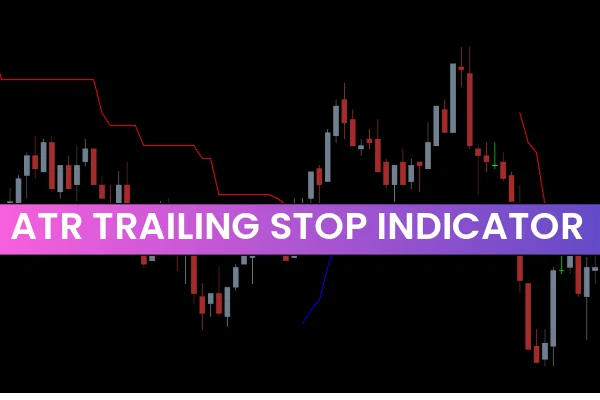
The ATR Trailing Stop Indicator for MT4 is one of the most effective tools for placing stop loss based on price volatility. Successful forex traders know that accurate stop placement can determine whether a trade survives market noise or gets wiped out early. While many stop-loss calculators exist, the ATR-based method remains one of the most reliable approaches for dynamic stop management.
If you’re exploring similar tools, you may also want to check out the BBand Stop Alert Indicator and the WATR Indicator, which also use volatility concepts but calculate trailing stops differently.
What Is the ATR Trailing Stop Indicator for MT4?
The ATR Trailing Stop Indicator uses the Average True Range (ATR) to measure volatility and plot trailing stop lines directly on your chart. These dynamic stop-loss levels adjust as market volatility changes—giving you more breathing room during choppy conditions and tighter stops during consolidation.
This makes it ideal for:
Trend-following strategies
Volatile currency pairs
Swing and intraday traders
EA and auto-trading systems
How to Use the ATR Trailing Stop Indicator
Using the indicator is simple, but what makes it powerful is its responsiveness to market behavior.
Understanding the Color Signals
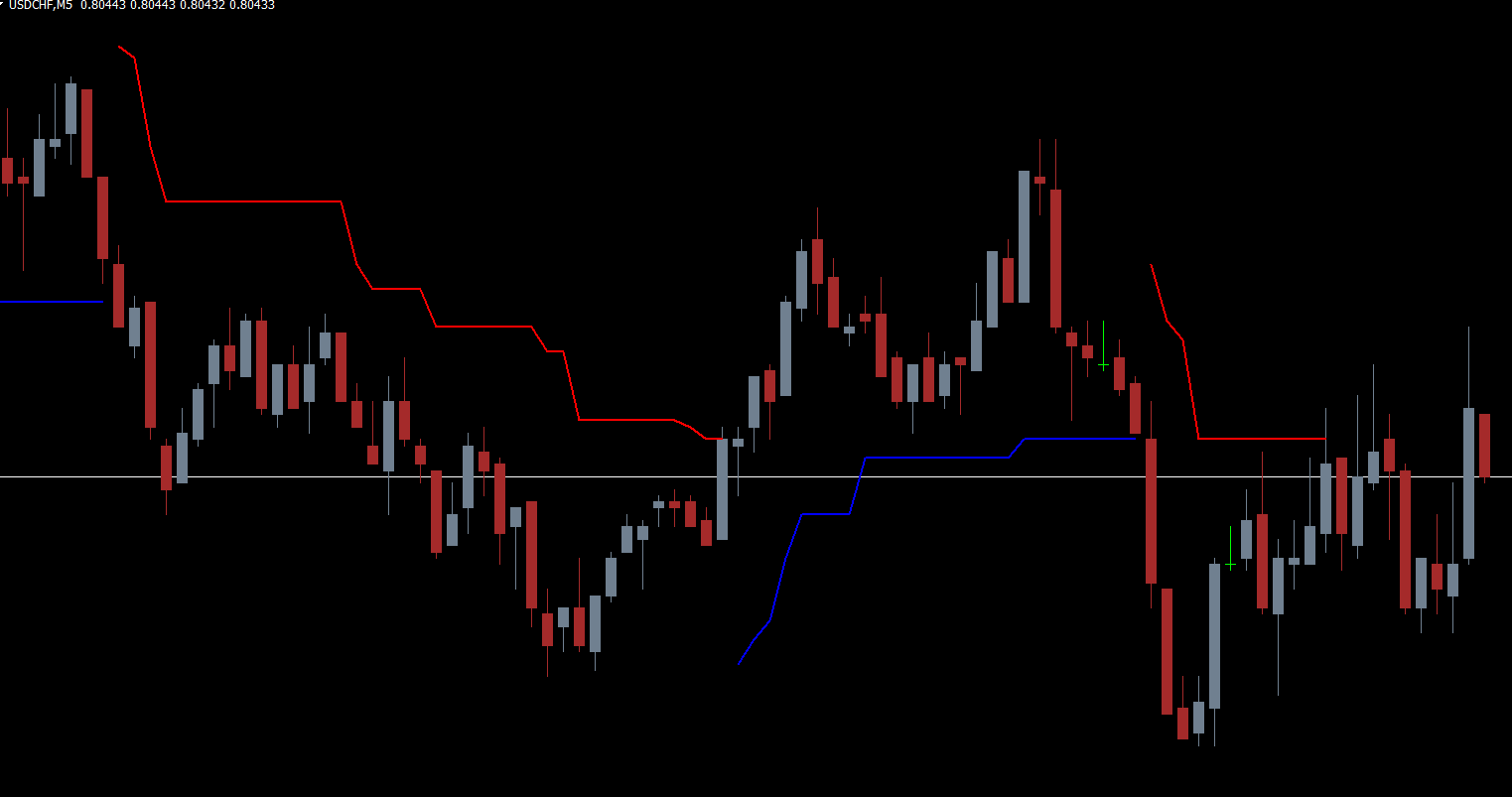
Blue Line → Bullish Trailing Stop
When the line turns blue, the indicator suggests the market is trending upward. Many traders use this as a signal to enter long positions.
Red Line → Bearish Trailing Stop
When the line flips to red, it signals a potential downward move. Traders often use this as confirmation for selling or exiting long trades.
Real Trading Example
During live trading on GBPJPY H1, the blue trailing stop acted as a dynamic support level throughout consolidation phases. When the line eventually flipped red, it became a clear exit sign—no second guessing, no emotional decisions.
Trend Following With ATR
Many trend traders follow a simple rule:
Stay in BUY trades while the indicator stays BLUE.
Hold SELL trades while the indicator remains RED.
This allows you to ride trends fully instead of exiting too early.
Why ATR Trailing Stops Are So Effective
ATR trailing stops work beautifully because they adapt to market conditions:
High volatility → wider stops
Low volatility → tighter stops
This dynamic approach prevents premature stop-outs while still protecting your open trades.
Pros and Cons of the ATR Trailing Stop Indicator
Pros
Beginner-friendly and easy to use
Clean, responsive trailing stop visualization
Works on all currency pairs and timeframes
Reliable for Trend Following
Compatible with Expert Advisors
Helps traders understand market volatility at a glance
Cons
Does not generate direct buy/sell arrows
Requires adjusting the ATR multiplier for different markets
Best used with confirmation tools (e.g., RSI, MACD, Moving Averages)
Best Trading Tips for Using ATR Trailing Stops
Combine with trend indicators like EMA 50/200
Use candlestick patterns for confirmation
Backtest different ATR multipliers (1.5–4.0 depending on pair volatility)
Avoid using the indicator alone during low-volume sessions
Conclusion
The ATR Trailing Stop Indicator for MT4 is one of the most essential tools for managing risk in forex trading. Whether you're a beginner or an advanced trader, ATR-based stop loss helps accommodate volatility while offering a protective trailing mechanism. When paired with other indicators and tested across multiple pairs, it becomes a powerful asset in any trading toolbox.
In my personal trading, ATR trailing stops have helped me stay calm during volatile moves and trust the system—making it a reliable part of my strategy.
FAQ
6 Downloads
Published:
Dec 02, 2025 03:49 AM
Category: