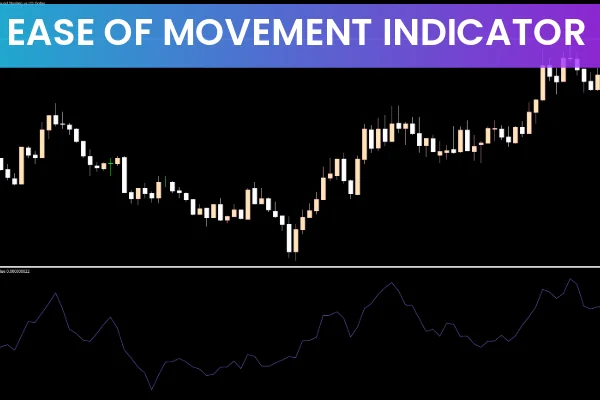
The Ease of Movement Value Indicator EMV is a momentum-based tool developed by Richard W. Arms to measure the relationship between price movement and trading volume. The indicator helps traders understand how easily price moves in a particular direction by comparing volume activity with price fluctuation. By using a combination of moving average calculations and a central zero line, the EMV provides clear insights into whether market conditions support continuation or potential reversals.
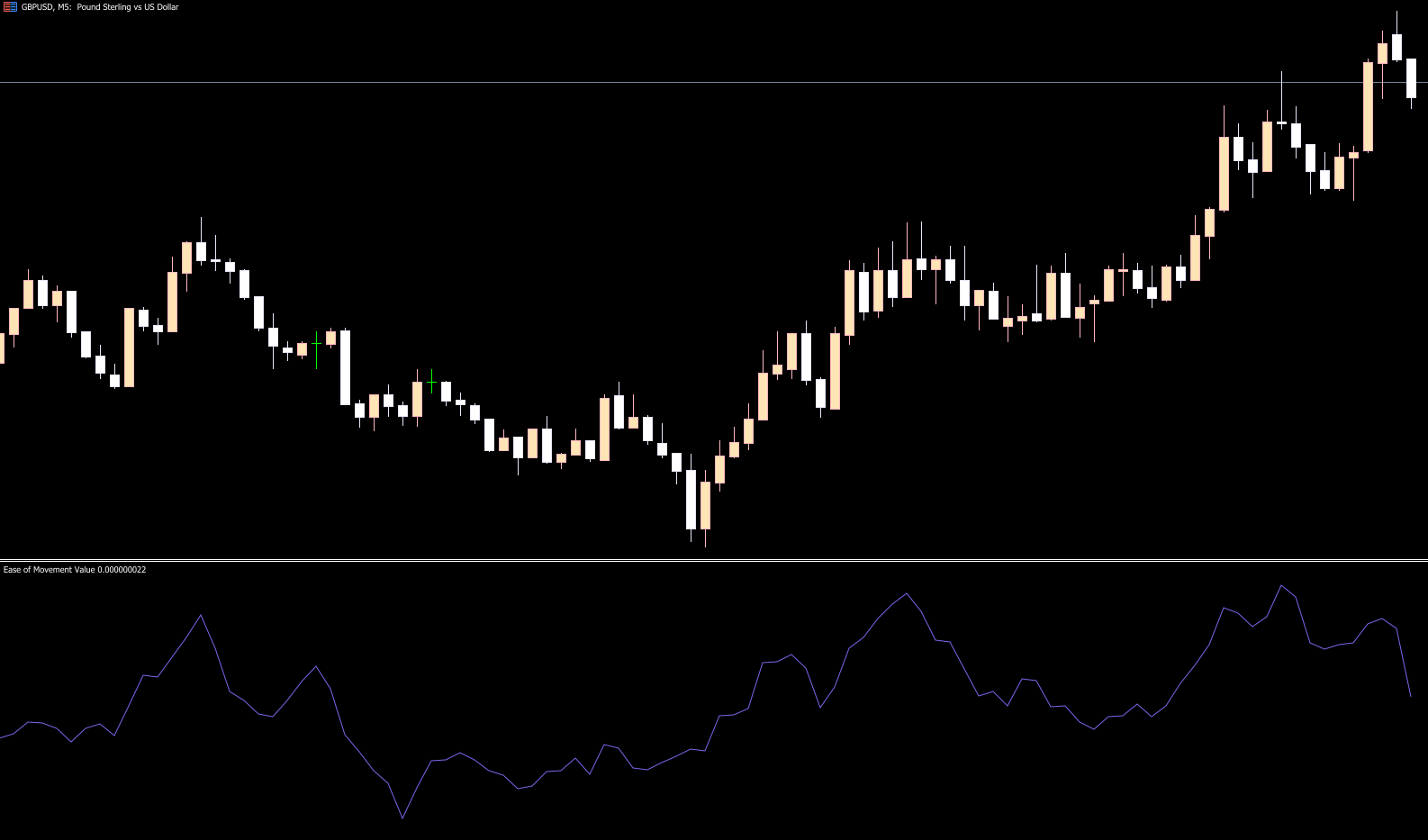
The EMV indicator is widely used across forex, stocks, commodities, and cryptocurrency markets. Traders appreciate its simplicity and reliability, especially when applied on higher timeframes where volume data becomes more meaningful. This makes the Ease of Movement Value Indicator a valuable addition to trading strategies that rely on momentum, volume interpretation, and Trend Confirmation.
How the Ease of Movement Value Indicator Works
The core concept behind the EMV indicator is to identify whether price movement is supported by strong or weak volume. Large price changes during periods of low volume typically result in stronger EMV readings, while minimal price changes on high volume produce weaker values.
The Importance of the Zero Line
The most crucial component of the EMV indicator is the zero line. It serves as the primary reference point for identifying trend direction and volume conditions.
Price Moving Above the Zero Line
When the indicator line rises above zero, it signals that price is moving upward with less upward volume. Despite appearing counterintuitive, this condition often marks potential weakening of the bullish move. Traders may interpret these readings as an opportunity to close existing long positions or prepare for short setups.
Price Moving Below the Zero Line
When the EMV line drops below zero, the indicator shows that price is moving downward with less downward volume, suggesting weakening bearish pressure. This condition often supports long entries or provides early confirmation of a reversal.
Why EMV Works Best on Higher Timeframes
Although the indicator can be used on any timeframe, it tends to produce clearer and more reliable signals on H1, H4, and daily charts. Longer timeframes help reduce noise and better reflect true price-volume relationships.
Ease of Movement Value Indicator BUY/SELL Signals
The indicator generates BUY and SELL signals using a purple signal line that appears above or below the zero line.
BUY Signals
A BUY signal occurs when:
The EMV line moves below zero
The condition indicates less downward volume
Traders anticipate a reversal or strength returning to bullish momentum
This is often used to open long positions or close short positions.
SELL Signals
A SELL signal forms when:
The EMV line moves above zero
The reading indicates less upward volume, signaling potential weakening of price increases
Traders may open short positions or secure profits from long trades.
The EMV indicator becomes even more reliable when combined with moving averages, trendlines, or other momentum tools. Adding a moving average smooths out volume noise and provides secondary confirmation for trend continuation or reversal setups.
Conclusion
The Ease of Movement Value Indicator EMV is an effective momentum oscillator that clarifies the relationship between price and volume. Its zero-line structure and simple signal interpretation make it ideal for traders seeking high-quality confirmations in their strategies. You can download the EMV indicator for free and explore more advanced trading tools on IndicatorForest.com.
FAQ
1 Download
Published:
Dec 03, 2025 00:20 AM
Category: