Navigating Market Extremes: A Guide to Price Channels for MT4
In the toolkit of a professional trader, the ability to define the boundaries of price movement is invaluable. Markets rarely move in a vacuum; they oscillate between levels of perceived value and extreme exhaustion. Price Channels are a fundamental technical analysis tool designed to visualize these boundaries, providing a clear framework for identifying trend direction, volatility, and potential reversal zones.
What are Price Channels?
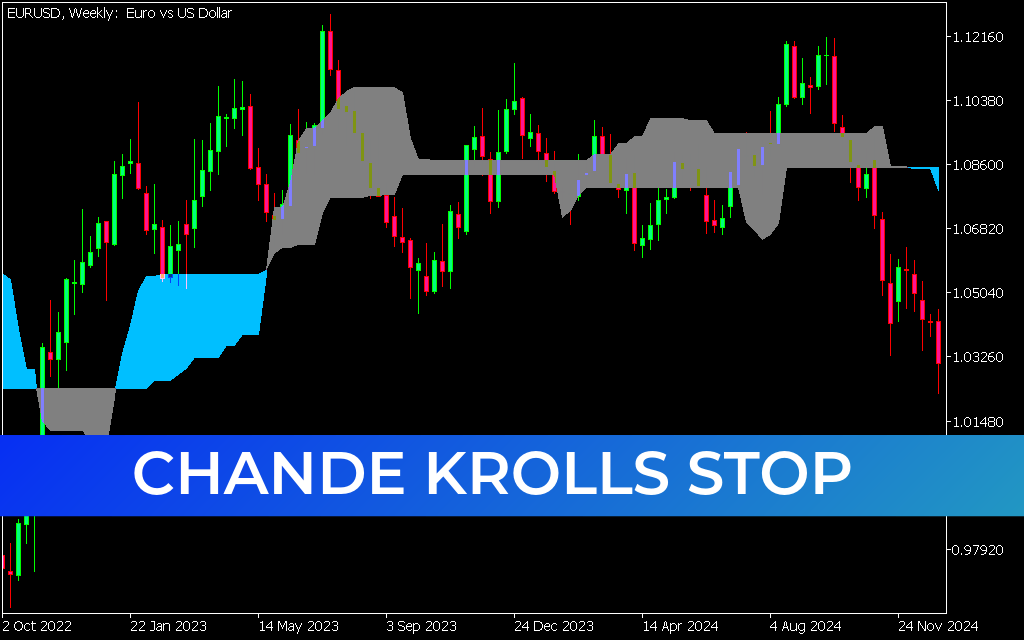
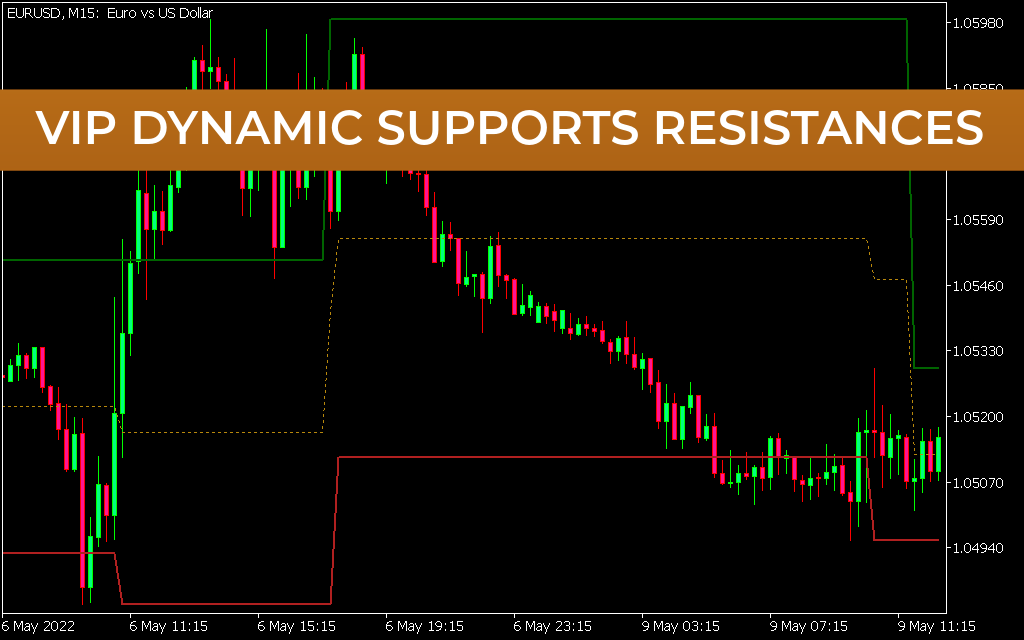
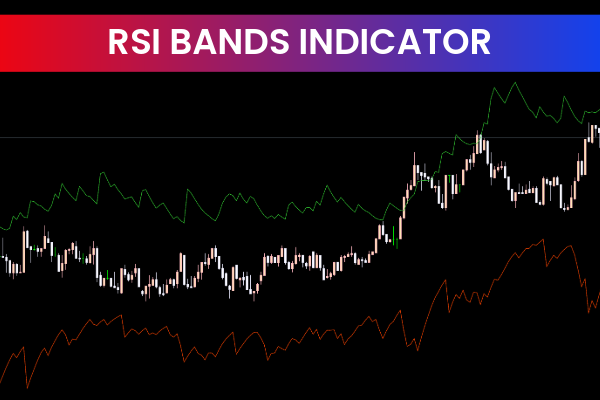
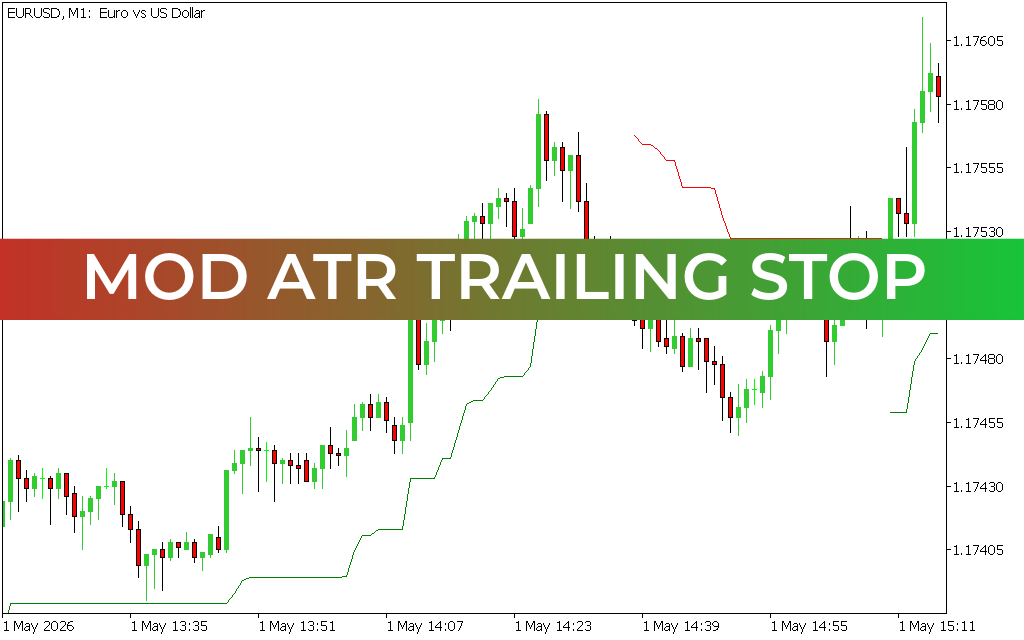
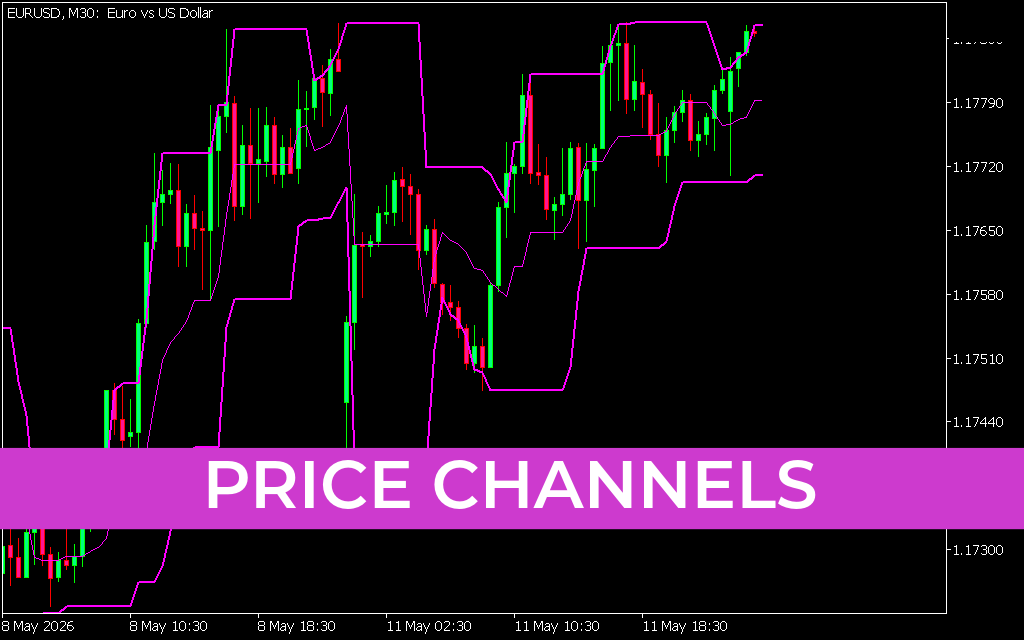
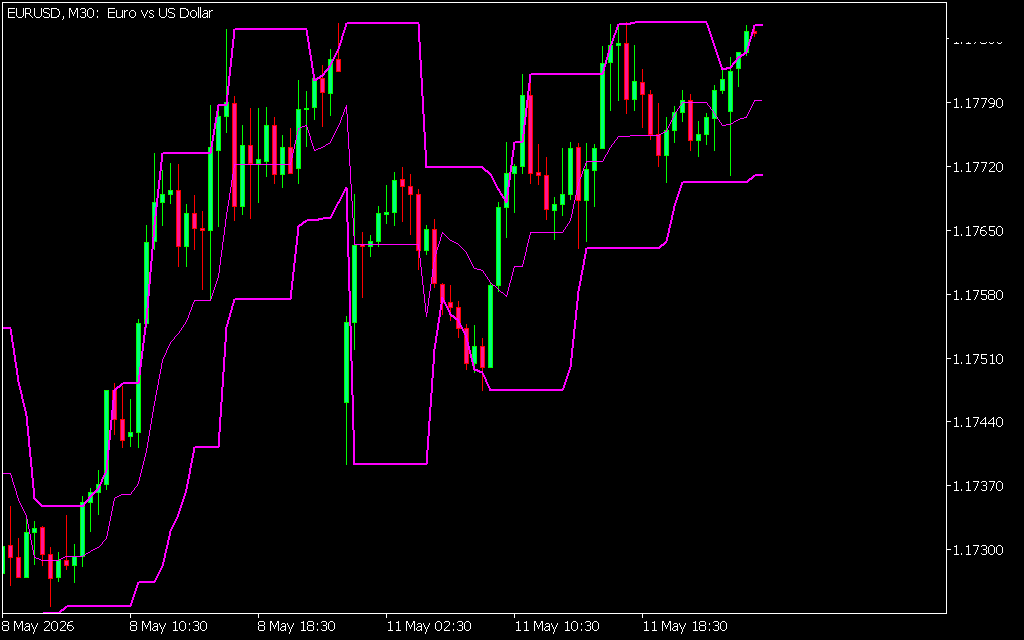
A Price Channel consists of two parallel or envelope-like lines that encompass Price Action over a specific period. The most common form is the Donchian Channel, which plots the highest high and the lowest low of a set number of candles. However, modern variations for MT4, such as the one seen on the EUR/USD M30 chart, often use dynamic calculations to create "step-like" or smoothed boundaries that adjust to shifting market volatility.
- The Upper Bound: Represents the ceiling of current market strength. When price touches this level, it is statistically testing the conviction of buyers.
- The Lower Bound: Represents the floor of market weakness, marking where sellers have historically lost momentum.
- The Median Line: Often included as a "mean" or average price, serving as a magnet for price during periods of consolidation.
Identifying Breakouts and Reversals
Price Channels are highly effective for two primary trading philosophies: Trend Following and Mean Reversion.
- Trend Riding: In a strong trending market, price will "hug" the upper bound (in an uptrend) or the lower bound (in a downtrend). A decisive close outside the channel often signals a breakout, suggesting that a new, more powerful trend is beginning.
- Overextended Reversals: Conversely, when the market is range-bound, the channel edges act as dynamic Support And Resistance. A touch of the upper boundary combined with a bearish candlestick pattern (like a pin bar) provides a high-probability "sell" signal back toward the median line.
Why Use Price Channels for Day Trading?
For intraday traders, visual clarity is essential. Price Channels eliminate the "noise" of minor price fluctuations, allowing you to focus on the structure of the move. As seen in the provided EUR/USD example, the channel creates a clear "envelope" that contains the majority of the price action, making it obvious when the market is entering an unusual state of expansion or contraction.
Furthermore, these indicators are excellent for Risk Management. Traders often place their stop-loss orders just outside the opposite boundary of the channel. For instance, in a long position taken at the lower bound, the stop-loss would be positioned slightly below the channel floor, ensuring that the trade is only exited if the structural "floor" of the market is truly broken.
Whether you are Scalping the M1 timeframe or swing trading the H4, Price Channels provide the objective data needed to make consistent, disciplined trading decisions.
4 Downloads
Last Update:
May 12, 2026 03:33 AM
Published:
Jan 24, 2026 12:46 PM
Category: