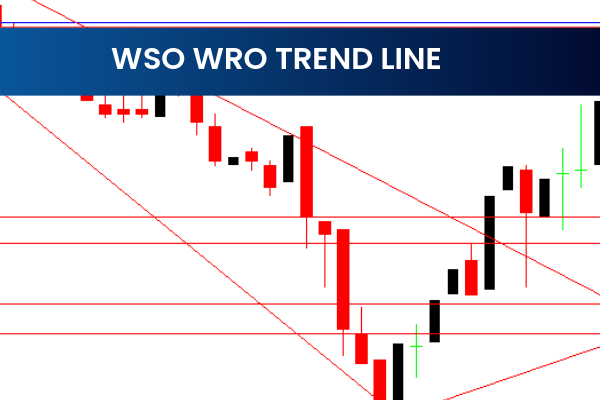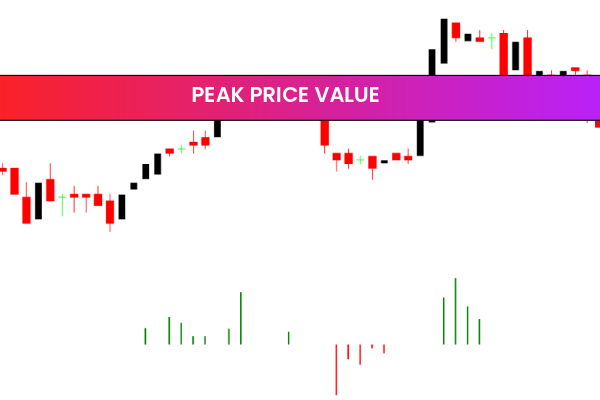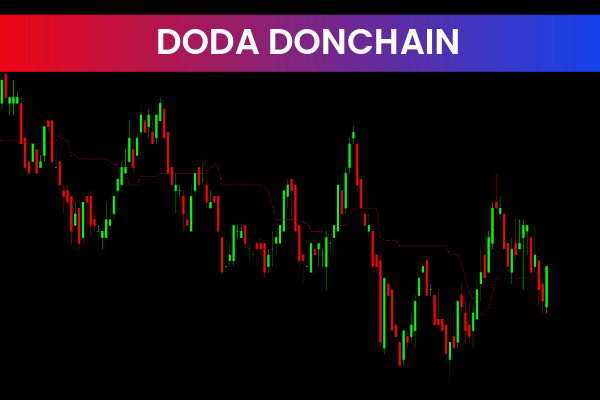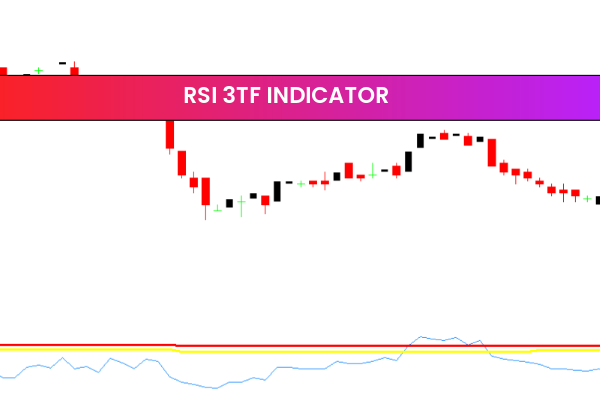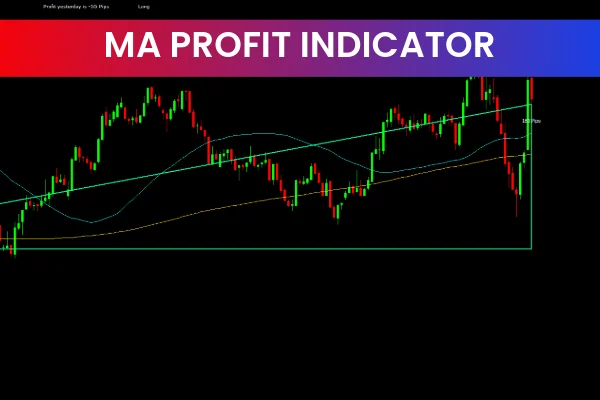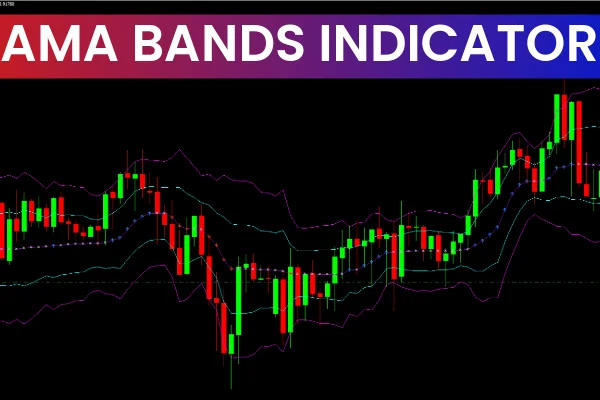
A Forex Indicator is an essential analytical tool used by traders to interpret price behavior, momentum, volatility, and Market Structure. Whether you're a beginner or an experienced trader, indicators help transform raw data into actionable insights. By using the right technical analysis tools, traders can spot trends early, confirm market direction, and identify profitable opportunities. These indicators support decision-making and bring clarity to fast-moving currency markets.
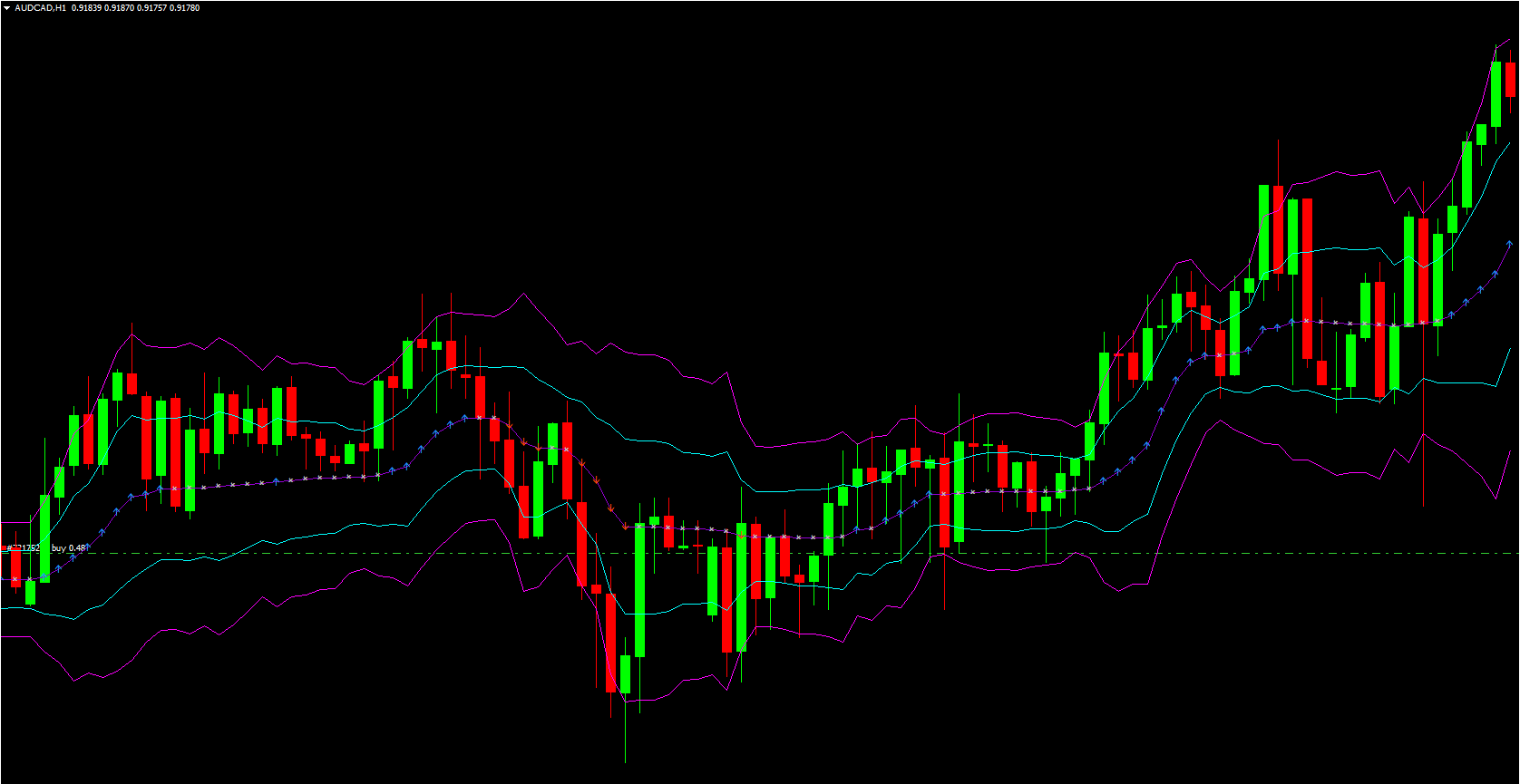
Using a forex indicator effectively allows traders to reduce emotional decisions, rely on statistical patterns, and maintain consistent trading rules.
Key Types of Forex Indicators and How They Work
Trend Indicators
Trend indicators, including Moving Averages (MA), Ichimoku Cloud, and the Average Directional Index (ADX), help traders determine the overall direction of a currency pair. They reveal whether the market is trending upward, downward, or consolidating. When used properly, trend indicators help traders follow the dominant direction instead of fighting against it.
Momentum Indicators
Momentum tools such as RSI (Relative Strength Index), Stochastic Oscillator, and MACD (Moving Average Convergence Divergence) measure the speed of price movement. These indicators highlight overbought and oversold zones, giving traders early signals of possible reversals. Momentum indicators work well alongside trend indicators, confirming the strength of a price movement.
Volatility Indicators
Volatility tools like Bollinger Bands and ATR (Average True Range) show how much price fluctuates over time. Higher volatility often signals strong trading opportunities, while low volatility may indicate a consolidating market. Understanding volatility helps traders adjust stop-loss levels, position size, and entry timing.
Volume Indicators
Although forex is a decentralized market, volume-based indicators like Money Flow Index (MFI) and On-Balance Volume (OBV) can still help traders determine the strength behind a price movement. Rising volume during a breakout typically confirms Trend Continuation.
How to Build a Winning Forex Indicator Strategy
Creating an effective strategy involves combining complementary indicators. A balanced approach usually includes:
One Trend Indicator to determine direction
One Momentum Indicator to confirm strength
One volatility indicator to manage timing
This combination prevents chart clutter and reduces conflicting signals. Instead of relying on a single indicator, traders benefit from a structured approach that blends multiple perspectives.
Backtesting your indicator strategy is also essential. Historical testing helps identify patterns, refine entry rules, and validate the strategy’s performance before risking real capital.
Common Mistakes Traders Make Using Forex Indicators
Even skilled traders can make mistakes when relying too heavily on indicators. Common errors include:
Using too many indicators that measure the same thing
Ignoring price action and support/resistance levels
Entering trades based solely on indicator signals
Misinterpreting signals during news or high-volatility events
Avoiding these pitfalls ensures indicators serve as supportive tools rather than your only source of information.
Why Forex Indicators Benefit Both Beginners and Experts
Beginners appreciate indicators because they simplify complex market data. Professionals rely on them to validate hypotheses and improve precision. Regardless of your experience level, indicators help enhance consistency, improve analysis, and support smarter, more confident decisions.
For traders looking to improve their technical toolkit, IndicatorForest.com offers a wide range of free and premium indicators designed to elevate your trading performance.
Conclusion
A well-designed forex indicator strategy can significantly improve your trading results. By combining trend, momentum, and volatility tools, traders gain clearer market insights and better execution timing. Continue refining your strategy, study market behavior, and explore new tools regularly.
To access high-quality indicators and trading resources, visit IndicatorForest.com today.
FAQ
1 Download
Published:
Dec 06, 2025 02:30 AM
Category: