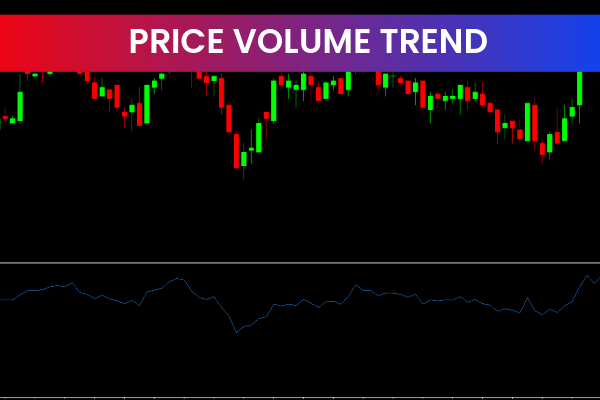
The best trading indicators help traders understand market trends, identify momentum shifts, and make more informed decisions. Using the best trading indicators in your analysis can enhance accuracy, improve strategy consistency, and reduce emotional trading. In this guide, we explore the most effective indicators, how they work, and how to apply them for better results.
Why the Best Trading Indicators Matter
Trading indicators act as statistical tools that interpret Price Action, volume, and volatility. By applying the best trading indicators, traders gain clearer insight into market direction, trend strength, and potential reversals. These tools are essential for those who want a structured, data-driven approach to trading.
Types of the Best Trading Indicators
Understanding the categories of indicators helps traders choose the right tools for their strategy.
Trend Indicators
Trend indicators show the direction of the market. The best trading indicators for trend analysis include:
Moving Averages
MACD
Ichimoku Cloud
Parabolic SAR
These tools help determine whether a trend is strong, weakening, or reversing.
Momentum Indicators
Momentum indicators measure the speed of price movement. They help identify overbought and oversold zones. Top examples include:
RSI (Relative Strength Index)
Stochastic Oscillator
CCI (Commodity Channel Index)
These indicators assist in timing entries and exits with precision.
Volatility Indicators
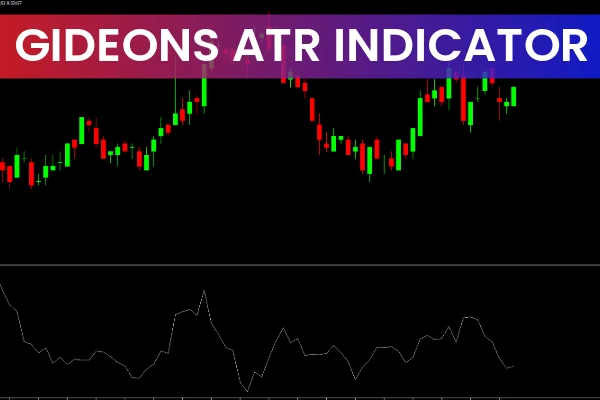
Volatility indicators track price fluctuations and help traders adjust risk. Some of the best trading indicators for volatility include:
Bollinger Bands
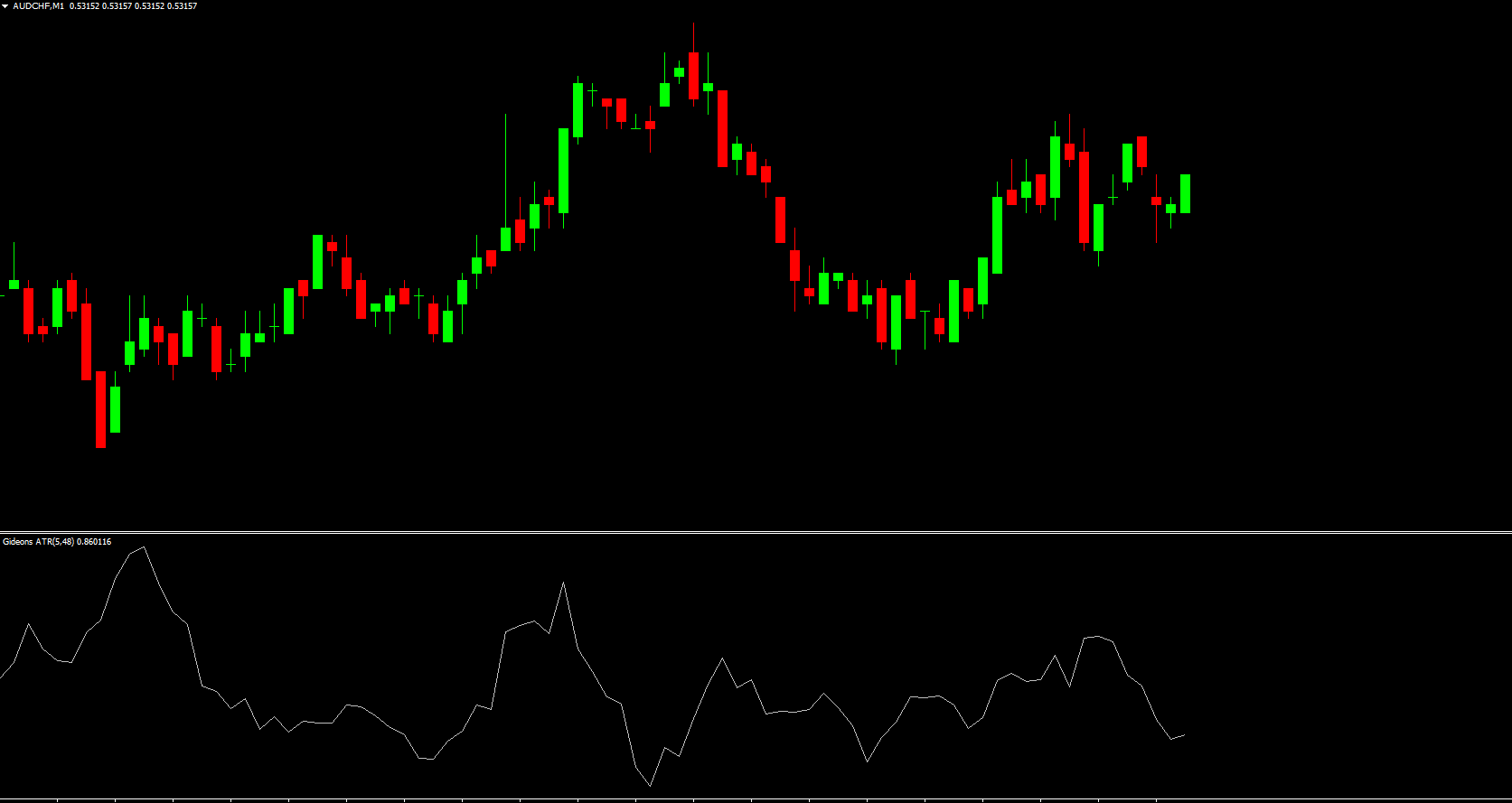
Average True Range (ATR)
These tools help traders understand market stability and detect breakout conditions.
Volume Indicators
Volume indicators show how much strength lies behind price movement. Commonly used:
On-Balance Volume (OBV)
Volume Profile
Money Flow Index (MFI)
Volume often confirms whether a trend is valid or weakening.
How to Choose the Best Trading Indicators
Selecting the right set of indicators avoids confusion and enhances your trading strategy.
Select Complementary Indicators
The best trading indicators work well together. Choose one Trend Indicator, one momentum indicator, and one volatility tool to create a balanced analysis system.
Avoid Indicator Overload
Using too many indicators leads to conflicting signals. Keep your chart clean and focus on tools that genuinely improve clarity.
Backtest Your Indicator Strategy
Before trading live, test your indicator combinations in historical market data. This reveals how well they perform and helps refine your approach.
Customize Settings for Your Market
Different instruments require different settings. Forex, crypto, stocks, and commodities each behave differently. Adjusting indicator periods and parameters improves responsiveness and accuracy.
Using the Best Trading Indicators in Modern Markets
As trading evolves with AI tools and algorithmic systems, the best trading indicators remain essential. They form the foundation of many automated trading strategies and help traders make confident decisions backed by data.
To access advanced indicators, professional tools, and detailed strategy guides, visit IndicatorForest.com for powerful trading resources.
FAQ
1 Download
Published:
Dec 05, 2025 01:53 AM
Category: